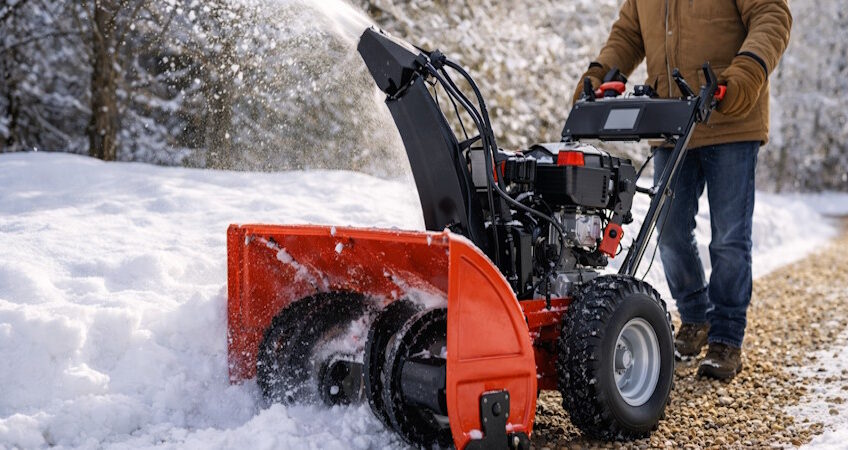
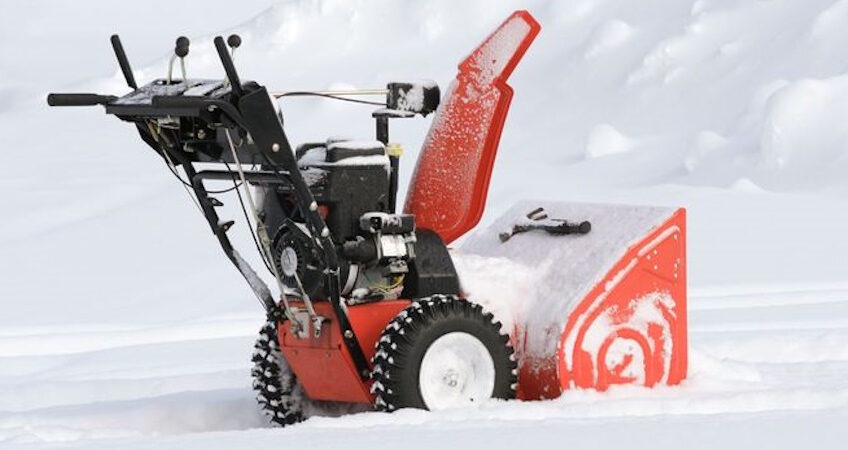
Few winter frustrations are worse than pulling your snowblower out after the first snowfall—only to realize your snowblower won’t start. Whether it’s been sitting all summer or suddenly refuses to fire up mid-season, starting issues are one of the most common snowblower problems we see.
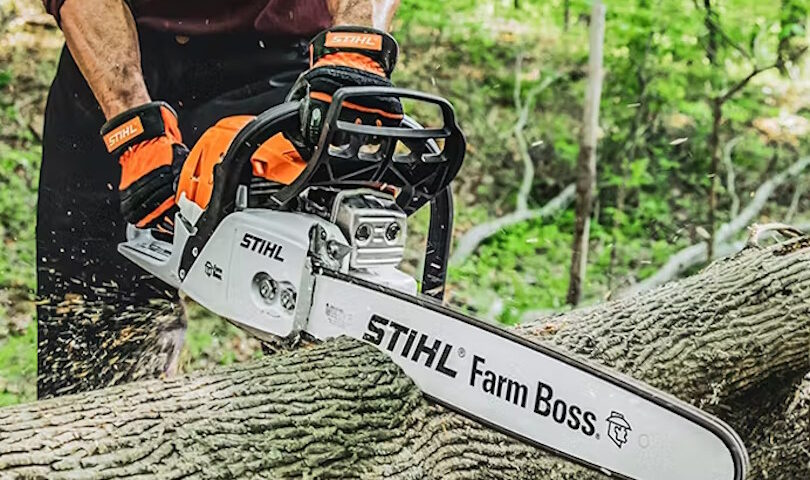
When it comes to dependable, do-it-all chainsaws, few models have earned the reputation of the STIHL FARM BOSS®. Known for its balance of power, durability, and ease of use, the STIHL FARM BOSS chainsaw has become a go-to option for homeowners, landowners, and professionals who need a saw that can handle serious work without stepping into full commercial territory.
When the colder months arrive in Connecticut, most homeowners pack away the lawn tools and shift their focus indoors. But smart lawn care doesn’t stop when temperatures drop. In fact, dormant grass seeding—also known simply as dormant seeding—can be one of the most effective ways to grow a thicker, healthier lawn once spring rolls around.

Fall means beautiful foliage — and a yard full of leaves. Instead of raking and bagging them by hand, you can save time and effort by mulching leaves with your lawn mower. Learning how to mulch leaves properly turns those autumn leaves into nutrient-rich mulch that feeds your soil, improves lawn health, and keeps your yard looking neat.

When the temperatures drop and snow starts to fall, most lawns fade from vibrant green to dull brown. But with the right preparation, care, and equipment, it’s possible to keep your lawn healthy and even green through the winter months. Whether you’re wondering how to keep grass green in winter or which grass stays green in winter, this guide will walk you through what works best for Connecticut homeowners.
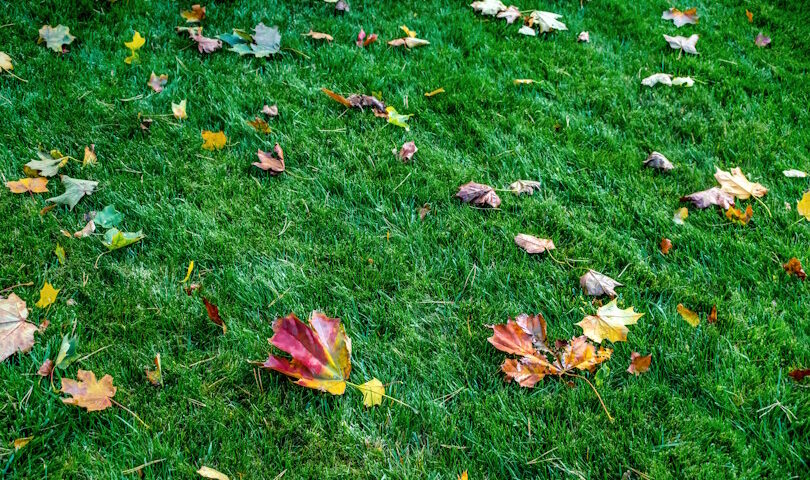
For Kentucky bluegrass, perennial ryegrass, and fescues, fall is the most important feeding window of the year. The right fall lawn fertilizer rebuilds roots after summer stress, thickens turf before winter, and sets up fast green-up next spring. Below are our curated picks for fall fertilizer for grass—with notes on what each product does best and when to use it for cool-season lawns in Connecticut and across the Northeast.
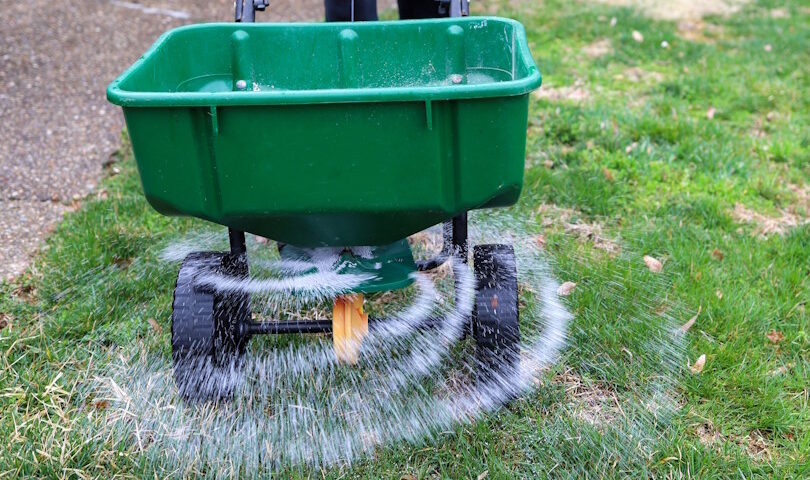
If your grass isn’t looking as healthy and vibrant as it should, the issue might not be your watering or mowing habits—it could be your soil’s pH. Many homeowners ask, “Does my lawn need lime?” because lime can make a big difference in lawn health. Knowing the signs your lawn needs lime can help you correct the problem early and restore lush, green grass.
In this guide, we’ll cover exactly how to tell if your lawn needs lime and the telltale symptoms you should watch for.

You fire up your lawn mower, ready to tackle the yard—and suddenly, smoke starts billowing from the engine. Whether it’s white, blue, or black, it’s never a good sign. If you’re asking, “Why is my lawn mower smoking?”, you’re not alone—and this guide will walk you through the common causes and what you can do to fix the issue before it leads to serious damage.
At River East Power Equipment, we’ve seen it all—from a bit of harmless smoke to full-on engine trouble. Here’s how to figure out what’s going on with your mower (and when it’s time to bring it in for service).

Tackling an overgrown yard can feel like a daunting task, but a reliable STIHL weed eater can make quick work of unruly grass and stubborn weeds. Whether you’re trimming around flower beds or clearing tall brush, knowing how to start your weed eater is the first step to a well-maintained lawn. While these tools are built for efficiency, starting them can sometimes be a bit tricky if you’re unfamiliar with the process.
Getting your STIHL weed eater up and running involves more than just pulling the starter rope. From checking the gas tank to setting the choke properly, a few key steps ensure a smooth start every time. If you’re struggling to get it going or want to avoid common mistakes, understanding the basics of operation can save you time and frustration. With the right preparation, you’ll be ready to tackle your yard work with ease.