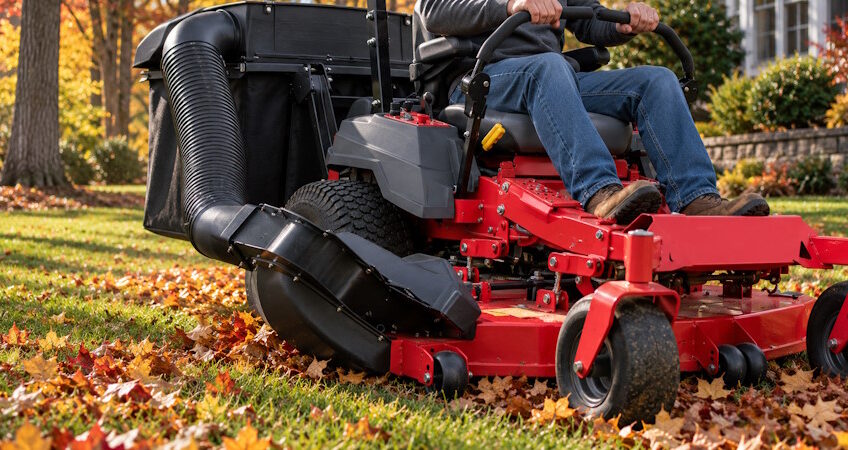
Fall is one of the most important times of year for taking care of your lawn. After months of summer heat, dry weather, foot traffic, mowing and other stress, your grass needs a little attention before the cold Connecticut winter arrives.
The good news is that a few simple fall lawn care tips can make a big difference. From continuing to mow and cleaning up leaves to aerating and overseeding, the work you put in now can help strengthen your lawn’s root system and set the stage for thicker, healthier grass next spring.
If you’re getting your yard ready for winter, here are some of our best lawn care tips for fall.
1. Keep Mowing While Your Grass Is Growing
Don’t put the lawn mower away just because the temperatures are starting to drop.
Cool-season grasses commonly found throughout Connecticut and New England—including Kentucky bluegrass, perennial ryegrass and fescues—continue growing during cooler fall weather. Continue mowing as needed until you notice that growth has essentially stopped for the season.
Avoid cutting the grass extremely short in preparation for winter. Instead, follow the one-third rule and avoid removing more than roughly one-third of the grass blade during a single mowing.
Keeping up with mowing also gives you another advantage during fall: your mower can help manage fallen leaves.
Learn more: When to Stop Mowing and Watering Your Lawn in the Fall.
2. Don’t Let Leaves Smother Your Lawn
Connecticut foliage may look great on the trees, but a thick layer of leaves sitting on your lawn isn’t something you want to ignore.
Heavy, wet leaves can block sunlight and airflow from reaching your grass. Instead of waiting until your entire yard is covered, stay ahead of falling leaves throughout the season.
You don’t necessarily have to rake and bag every leaf, either. Your lawn mower can be one of your most useful fall cleanup tools.
When the layer isn’t too thick, mowing over dry leaves can chop them into smaller pieces that settle between the grass blades and gradually break down. A mulching mower or mower equipped with mulching blades can make this process even easier.
See our complete guide: How to Mulch Leaves With a Lawn Mower.
For larger properties or heavier leaf coverage, a leaf blower or lawn sweeper can also save a considerable amount of cleanup time.
3. Aerate Compacted Soil
One of the best fall lawn care tips for Connecticut homeowners is to address soil compaction before winter.
Throughout spring and summer, foot traffic, lawn equipment and everyday use can gradually compact the soil underneath your grass. Compacted soil makes it more difficult for water, oxygen and nutrients to reach the root zone.
Core aeration removes small plugs of soil from the lawn, creating openings that allow those essentials to better reach the roots.
Fall is an especially good time to aerate cool-season lawns because the grass is actively growing and has an opportunity to recover.
Learn more about the best time to aerate your lawn in New England.
4. Overseed Thin or Bare Areas
Does your lawn look a little thin after summer? Fall can be an excellent opportunity to fill in bare spots and improve overall turf density.
Cooler air temperatures combined with soil that is still relatively warm can create favorable conditions for germinating cool-season grass seed.
For the best results, overseeding is often paired with aeration. The openings created during aeration can improve seed-to-soil contact and give new grass an opportunity to establish itself.
Before overseeding, remove excess debris and mow the existing lawn. After spreading seed, keep the newly seeded areas consistently moist while germination occurs.
And don’t rush to mow your new grass. Give seedlings enough time to establish before running your mower over them.
5. Give Your Lawn the Nutrients It Needs
Your lawn may not be growing as quickly as it did during spring, but that doesn’t mean it’s finished for the year.
Fall fertilization can help cool-season turf recover from summer stress and support healthy growth heading toward winter.
The right fertilizer will depend on your lawn and soil conditions. Rather than assuming your lawn needs more of every nutrient, consider having your soil tested so you have a better understanding of what it actually needs.
River East has also put together a guide to choosing fall lawn fertilizers for cool-season grasses.
6. Keep Watering When Conditions Are Dry
Cooler weather generally means your lawn loses less moisture than it does during the heat of summer, but grass still needs water.
This is particularly important if you’ve recently overseeded your lawn. New grass seed needs consistent moisture to germinate and establish.
For established grass, pay attention to rainfall rather than automatically following your summer watering schedule. Natural fall rainfall may provide much of the moisture your lawn needs.
As temperatures continue dropping and grass growth slows toward winter dormancy, watering requirements will decrease as well.
7. Sharpen Your Lawn Mower Blades
After an entire season of mowing, there’s a good chance your mower blade isn’t as sharp as it was in the spring.
A dull mower blade tears at grass instead of making a clean cut. You may notice ragged, frayed or brown grass tips after mowing.
Keeping your blades sharp produces a cleaner cut and helps keep your lawn looking its best. It’s also a great maintenance task to handle before putting your mower away for winter.
If you’re comfortable handling the job yourself, check out our guide on how to sharpen your lawn mower blades.
8. Clean Up Sticks, Branches and Yard Debris
Leaves aren’t the only things that accumulate during fall.
Before mowing or mulching leaves, walk through the yard and remove sticks, branches, rocks and other debris. Running over hidden objects can damage mower blades, decks and other components—and can create a serious safety hazard.
Regular cleanup also keeps your property looking better and makes those final mowing sessions of the year much easier.
9. Take Care of Your Lawn Equipment Before Winter
Once your grass finally stops growing, give your lawn equipment some attention before storing it away.
Depending on your equipment, end-of-season maintenance may include:
- Cleaning grass and debris from the mower deck
- Inspecting and sharpening or replacing mower blades
- Checking belts and other wear items
- Changing the oil when recommended
- Inspecting or replacing the air filter
- Checking spark plugs
- Maintaining the battery
- Following the manufacturer’s recommendations for fuel and winter storage
A little maintenance now can help prevent surprises when it’s time to start mowing again next spring.
Your Fall Lawn Care Checklist
If you want to keep things simple, focus on these essential fall lawn care tasks:
- Continue mowing until grass growth stops
- Mulch or remove heavy leaf coverage
- Aerate compacted soil
- Overseed thin or bare areas
- Fertilize when appropriate for your lawn
- Keep newly seeded areas properly watered
- Clean up sticks, branches and debris
- Sharpen your mower blades
- Service and prepare lawn equipment for winter
Fall lawn care isn’t just about making your property look good through October and November. It’s about giving your grass and equipment what they need to make it through winter and be ready for another growing season.
Get Your Fall Lawn Equipment Ready at River East Power Equipment
Whether you’re mowing the lawn, mulching leaves, blowing off the driveway or tackling a major fall cleanup, having the right outdoor power equipment can make the job a whole lot easier.
River East Power Equipment in East Hartford, CT carries outdoor power equipment for Connecticut homeowners and professional landscapers, including lawn mowers, zero turn mowers, leaf blowers and other equipment from leading brands such as Gravely, Ariens, ECHO, STIHL and more.
Need help choosing equipment or getting your current machine ready for fall? Contact River East Power Equipment or stop by our East Hartford location and talk with our team.