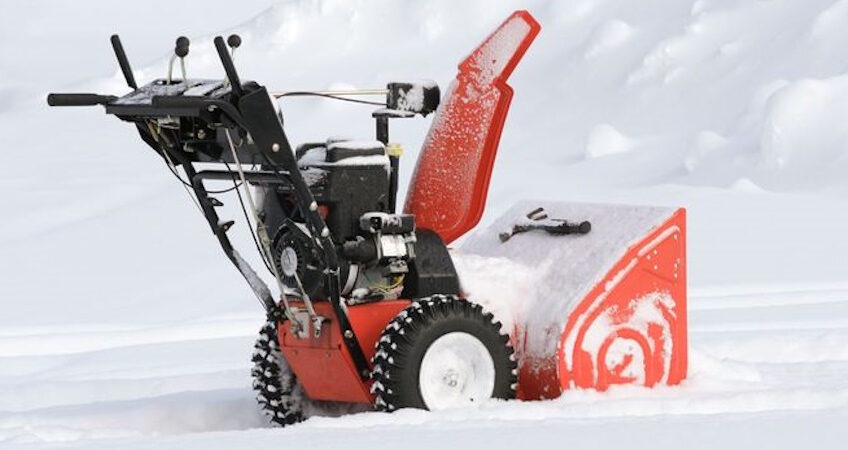
Few winter frustrations are worse than pulling your snowblower out after the first snowfall—only to realize your snowblower won’t start. Whether it’s been sitting all summer or suddenly refuses to fire up mid-season, starting issues are one of the most common snowblower problems we see.
If you’re asking yourself, “why won’t my snowblower start?” this guide breaks down the most common causes and what you can do to fix them.
Why Your Snowblower Won’t Start After Sitting
If your snowblower won’t start after sitting, especially after the off-season, stale fuel is usually the culprit.
Gasoline left in the tank over summer can break down and form varnish deposits that clog the carburetor and fuel lines. Ethanol-blended fuel makes this issue even worse by absorbing moisture.
How to fix it:
- Drain old fuel completely
- Refill with fresh gasoline
- Add a fuel stabilizer designed for small engines
- If it still won’t start, the carburetor may need cleaning or rebuilding
Snowblower Won’t Start After Summer Storage
A snowblower won’t start after summer for more than one reason. In addition to bad fuel, internal components may be dry, corroded, or stuck after months of inactivity.
Common post-summer issues include:
- Gummed-up carburetors
- Seized throttle or choke linkages
- Cracked fuel lines
- Weak or dead spark plugs
How to fix it:
- Replace the spark plug
- Inspect fuel lines for cracks or leaks
- Clean or service the carburetor
- Lubricate throttle and choke mechanisms
A preseason tune-up can prevent most of these problems entirely.
Spark Plug Problems
A faulty spark plug is one of the simplest reasons my snowblower won’t start, yet it’s often overlooked.
Spark plugs can become fouled with carbon, oil, or corrosion, especially if the engine hasn’t run in a long time.
How to fix it:
- Remove the spark plug
- Clean it or replace it entirely (recommended)
- Ensure proper gap before reinstalling
A fresh spark plug is inexpensive and often solves starting issues immediately.
Carburetor Issues
If your snowblower won’t start after sitting, chances are the carburetor is clogged.
Fuel residue can block tiny jets inside the carburetor, preventing proper fuel flow to the engine.
How to fix it:
- Try carburetor cleaner spray for minor clogs
- For severe issues, remove and fully clean the carburetor
- In some cases, a rebuild kit or replacement is the best option
Carburetor service is one of the most common snowblower repairs we perform.
Choke or Primer Not Working Properly
Cold engines need extra fuel to start, which is why the choke and primer are critical. If either isn’t working, your snowblower won’t start, especially in freezing temperatures.
How to fix it:
- Make sure the choke is fully engaged during cold starts
- Press the primer bulb the recommended number of times
- Check for cracked primer bulbs or disconnected hoses
Oil Level or Safety Switch Issues
Some snowblowers are equipped with low-oil safety sensors that prevent starting if oil levels are incorrect.
How to fix it:
- Check oil level and condition
- Top off with manufacturer-recommended oil
- Replace old or contaminated oil
This is a quick check that can save you unnecessary troubleshooting.
Battery Problems (Electric Start Models)
If you have an electric-start snowblower and it won’t crank, the battery may be dead.
How to fix it:
- Charge or replace the battery
- Check electrical connections for corrosion
- Test the starter switch
Battery maintenance is especially important for snowblowers stored in cold environments.
Still Having Trouble? Contact River East Power Equipment Today!
If you’ve tried these steps and your snowblower won’t start, it may be time to have it professionally serviced. Continued pulling on a non-starting engine can lead to additional wear or damage.
At River East Power Equipment, our technicians specialize in diagnosing and repairing snowblower starting problems—from carburetor service to full engine tune-ups. We’ll get your equipment running reliably before the next storm hits.
Need help getting your snowblower back up and running? Contact River East Power Equipment today and let our team handle the cold-weather headaches for you.